
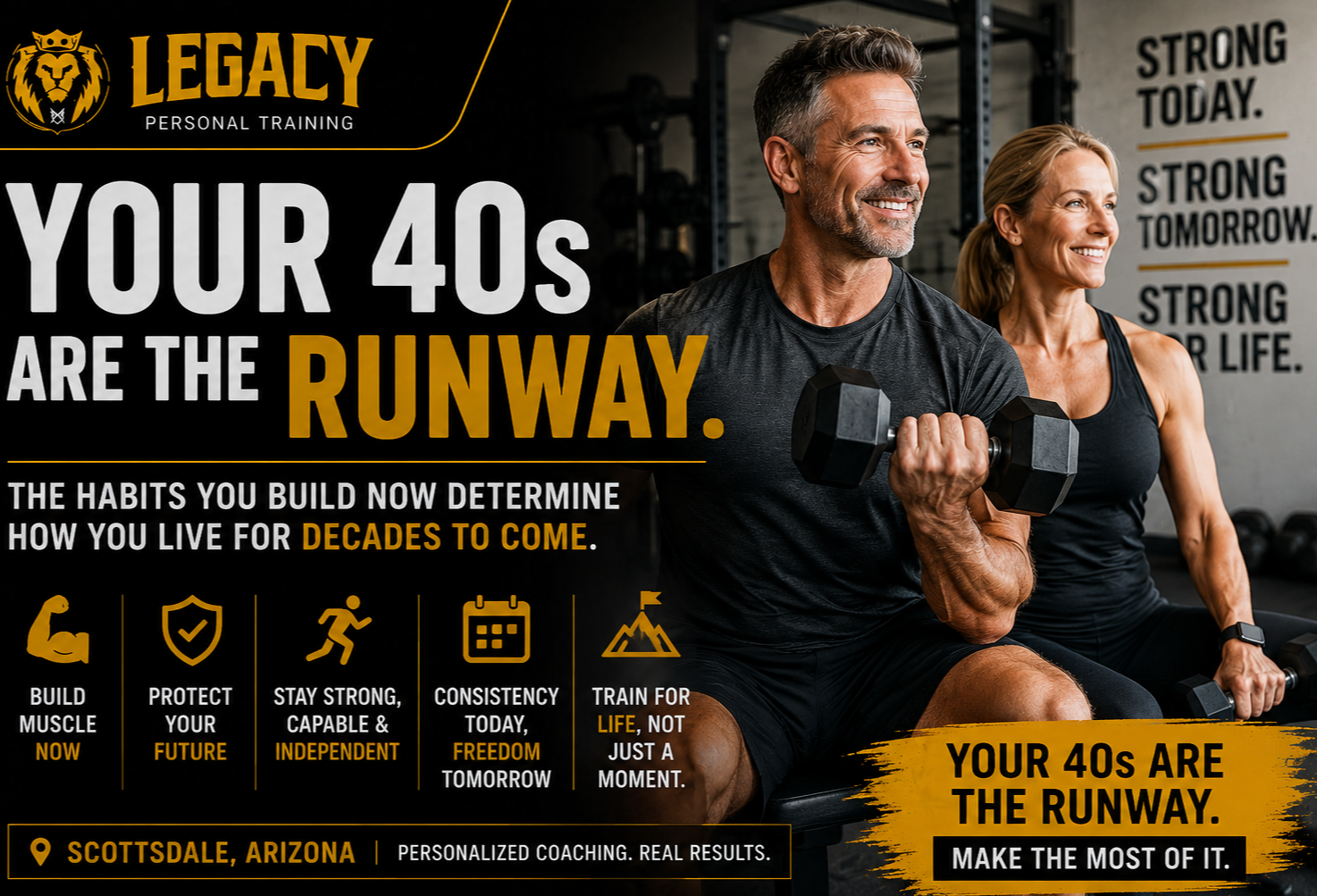
Understanding the Importance of Strength Training in Your 40s
The transition into your 40s marks a pivotal phase where prioritizing your health becomes not just beneficial, but essential. At this stage, metabolic rates naturally begin to slow, muscle mass gradually declines, and bone density can start to diminish. Strength training emerges as a powerful tool to counteract these age-related changes, supporting both physical vitality and long-term wellness. Far beyond aesthetics or building muscle, engaging in regular resistance exercises helps preserve lean muscle mass, enhances bone strength, and boosts your metabolism—benefits that collectively fortify your body against the inevitable effects of aging.
For many, the 40s are also a time when career and family responsibilities peak, often leaving little room for self-care. Incorporating strength training into your routine serves as an investment in your future health, providing increased energy, better stress management, and improved sleep quality. It’s also a proven method for reducing the risk of chronic diseases such as type 2 diabetes, heart disease, and osteoporosis, all of which become more prevalent as we age.
The Science Behind Muscle and Metabolism
- Muscle Loss Prevention: After 30, adults can lose as much as 3-8% of muscle mass per decade without intervention. Strength training in your 40s helps slow or even reverse this trend.
- Metabolic Boost: Increased lean muscle elevates your resting metabolic rate, allowing you to burn more calories—even at rest.
- Bone Health: Weight-bearing exercises stimulate bone growth and density, crucial for preventing fractures and osteoporosis later in life.
Understanding these benefits highlights why your 40s are an opportune time to embrace strength training—not only to maintain your health now, but to set a strong foundation for the decades ahead.
Key Physical Changes That Occur During Your 40s
Stepping into your 40s marks a pivotal phase in your body’s evolution, where subtle yet significant changes begin to surface. These transformations, governed by both genetics and lifestyle patterns, can influence everything from muscle mass to bone density and metabolism. Understanding these shifts is the first step toward making informed choices about your health—especially when considering the benefits of strength training.
Muscle Mass and Strength Decline
One of the most notable changes is the gradual loss of muscle mass, a process known as sarcopenia. Starting in your 40s, the body naturally begins to lose muscle at a rate of approximately 3–5% per decade if no intervention is taken. This decline not only reduces physical strength but also slows metabolism, making it easier to gain fat even if your diet remains unchanged.
Bone Density Decreases
Simultaneously, bone density starts to diminish, particularly in women as they approach menopause. The risk of osteoporosis and fractures increases as bones lose their strength and resilience, emphasizing the need for activities that stimulate bone growth and maintenance.
Shifts in Metabolism and Hormones
Metabolic rate also tends to drop in the 40s, leading to decreased energy expenditure. Hormonal changes, such as reduced levels of estrogen and testosterone, further compound the challenges, affecting fat distribution, energy levels, and even mood.
Recognizing these physiological changes highlights why your 40s are an opportune time to embrace strength training, setting the foundation for improved health and vitality in the decades ahead.
Benefits of Starting Strength Training at This Stage
Entering your 40s marks a pivotal moment to embrace strength training, offering profound advantages that extend well beyond mere physical appearance. At this age, the body undergoes subtle yet significant changes—muscle mass naturally begins to decline, metabolism slows, and bone density starts to diminish. Initiating a structured strength training regimen now acts as a powerful countermeasure, enabling you to not only preserve but also rebuild muscle and fortify your skeletal system.
Enhanced Muscle Mass and Metabolic Health
Strength training stimulates muscle growth, a crucial factor as sarcopenia—the age-related loss of muscle—accelerates in your 40s. By building lean muscle, you boost your resting metabolism, making it easier to maintain a healthy weight and ward off creeping fat accumulation. This metabolic uptick translates to improved energy levels and better management of blood sugar, supporting long-term health.
Stronger Bones and Joint Protection
Bone health becomes increasingly important with age. Resistance exercises encourage bone remodeling, helping prevent osteoporosis and reducing the risk of fractures. In addition, strengthening the muscles around your joints offers greater stability, easing discomfort from past injuries or arthritis and enhancing overall mobility.
Mental and Emotional Wellbeing
Physical benefits aside, strength training in your 40s delivers a significant boost to mental health. The release of endorphins combats stress, anxiety, and depression, while the sense of accomplishment fosters confidence and resilience. As you lay this foundation, you set the stage for a vibrant, active lifestyle for decades to come.
By embracing strength training now, you maximize your body’s potential and invest in a healthier future, making your 40s truly the prime time to get started.
Common Myths About Strength Training in Midlife
Despite the growing awareness of health and wellness, many individuals in their 40s still hesitate to embrace strength training, largely due to persistent myths that cloud their judgment. These misconceptions not only discourage people from realizing their full physical potential but can also inadvertently contribute to declining health and diminished quality of life.
Myth 1: It’s Too Late to Start
A prevailing belief is that strength training is best left to the young, and that starting in midlife is either ineffective or risky. In reality, research consistently shows that adults in their 40s and beyond not only make significant strength gains but also experience improvements in bone density, metabolism, and joint health. Age is not a barrier—if anything, it is a call to action.
Myth 2: Strength Training Causes Injury
Another widespread myth is the notion that lifting weights at this age leads to injury. While improper technique or overexertion can pose risks at any stage of life, following a well-designed program and using proper form dramatically reduces the chance of harm. In fact, strength training can actually protect against injuries by improving muscle balance and joint stability.
Myth 3: Cardio Is Enough
Many believe that jogging or cycling alone is sufficient for overall fitness. However, strength training addresses aspects that cardio cannot, such as muscle mass preservation, functional strength, and metabolic health. By debunking these myths, individuals in their 40s can unlock the transformative benefits of resistance training, laying the foundation for a healthier, more vibrant future.
Tips for Safely Beginning a Strength Training Routine in Your 40s
Embarking on a strength training journey in your 40s is both empowering and prudent, but safety and sustainability must be prioritized from the very start. As the body matures, it responds differently to exercise, making careful preparation and mindful execution essential for long-term success and injury prevention.
Consult with a Healthcare Professional
Before lifting your first weight, schedule a check-up with your doctor—especially if you have pre-existing health conditions or have been inactive for a while. A professional evaluation can identify any limitations and help tailor your strength training routine to your individual needs.
Start Slow and Focus on Form
Resist the urge to dive into heavy lifting or complex exercises immediately. Begin with lighter weights, resistance bands, or even bodyweight movements. Focus on mastering proper form and technique, as this reduces the risk of injury and maximizes the effectiveness of each exercise.
Incorporate a Warm-Up and Cool-Down
Always begin your session with dynamic stretches or light cardio to prepare muscles and joints. After training, dedicate time to static stretching to aid recovery and maintain flexibility—both crucial for adults in their 40s.
Progress Gradually
Increase intensity, weight, and duration incrementally. Listen to your body and allow adequate rest between sessions to encourage muscle repair and adaptation. Remember, consistency trumps intensity when building lasting strength.
By taking these thoughtful steps, you’ll set the stage for a rewarding and sustainable strength training routine, ensuring your 40s become a true prime time for lifelong fitness.
At Legacy Personal Training in Scottsdale, Arizona, we help adults build strength, improve body composition, move better, and create sustainable fitness habits designed for long term health.
Our L.I.F.T. approach, Lifestyle Integrated Fitness Training, is built around a simple idea: fitness should integrate into your life, not take it over.
Because you’re not just training for your next workout, you’re building the runway for the rest of your life.