
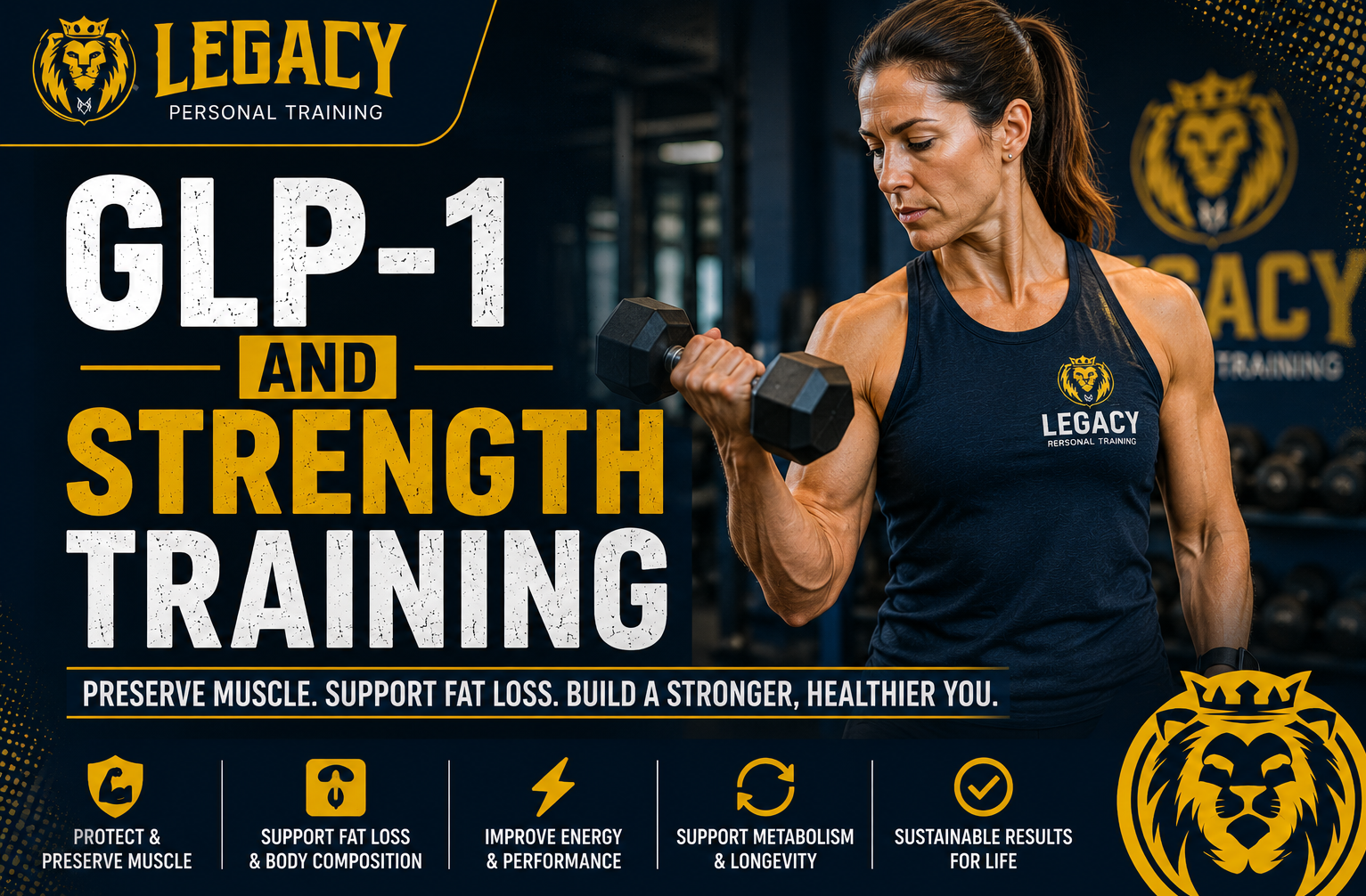
Understanding GLP-1 Medications and Their Role in Weight Management
GLP-1 medications have quickly become some of the most talked-about weight loss tools available today. For many people, they can be incredibly effective at helping reduce appetite, control cravings, and make weight loss feel more manageable than it has in the past.
But while the scale may be moving in the right direction, there’s an important question many people aren’t asking: What kind of weight are you actually losing?
GLP-1 medications work by helping you feel fuller for longer, slowing digestion, and improving blood sugar regulation. As a result, most people naturally eat fewer calories without feeling as hungry. While this can lead to significant weight loss, it doesn’t automatically mean you’re losing body fat alone. Without the right nutrition and exercise strategy, some of that weight loss can come from valuable muscle mass as well.
That’s why strength training becomes such an important piece of the puzzle. The goal isn’t simply to lose weight. The goal is to lose body fat while preserving the muscle that supports your metabolism, strength, mobility, and long-term health.
Key Benefits in Weight Management
- Appetite Regulation: By interacting with appetite centers in the brain, GLP-1 medications help reduce food cravings and overall caloric intake.
- Metabolic Improvements: Enhanced insulin sensitivity and stabilized blood sugar levels support metabolic health, a cornerstone of effective weight management.
- Sustainable Results: Clinical studies have demonstrated significant weight loss outcomes when GLP-1 receptor agonists are paired with behavioral interventions such as nutrition counseling and strength training.
GLP-1 medications offer a promising and scientifically validated approach to weight management, laying the foundation for improved health and facilitating the integration of exercise regimens for long-term success.
The Difference Between Weight Loss and Fat Loss
Understanding the distinction between weight loss and fat loss is crucial for anyone embarking on a health and fitness journey, particularly when integrating GLP-1 medications and strength training into their routine. Although these terms are often used interchangeably, they represent fundamentally different outcomes for the body.
What Is Weight Loss?
Weight loss refers to a reduction in overall body mass. This includes not only fat, but also water, muscle, and even bone density. When you step on the scale and see a lower number, it doesn’t necessarily indicate that you’ve lost body fat; the loss may come from muscle tissue or fluids. Rapid drops in weight, especially those achieved through crash diets or extreme caloric restriction, often result in significant muscle loss alongside fat. This can undermine metabolic health and physical strength, leaving you feeling weaker and less energetic.
What Is Fat Loss?
Fat loss, on the other hand, specifically targets the reduction of adipose tissue — the stored fat in your body. Achieving fat loss while preserving lean muscle is the optimal approach for long-term health and a toned physique. This distinction is particularly important when using GLP-1 medications, as these can accelerate weight loss, but without a strategic focus on strength training and nutrition, a significant portion of that loss may come from muscle rather than fat.
- Weight loss: Reduction of total body mass (fat, muscle, water, bone)
- Fat loss: Selective reduction of body fat, preserving muscle mass
Recognizing the difference between these two concepts is essential. By prioritizing fat loss through strength training and mindful nutrition alongside GLP-1 therapy, you can protect muscle mass, support metabolism, and achieve sustainable, healthy results that go beyond the number on the scale.
Risks Associated with Muscle Loss During Weight Reduction
Embarking on a weight reduction journey, particularly one involving GLP-1 agonists, presents a unique set of challenges—chief among them is the risk of losing precious muscle mass alongside unwanted fat. While the primary goal is often to shed excess body weight for improved health and appearance, the process can inadvertently compromise lean muscle if not approached thoughtfully. This unintended muscle loss can have profound implications for both metabolic health and overall physical function.
The Role of Muscle in Metabolism and Health
Muscle tissue plays a pivotal role in maintaining metabolic rate. It is metabolically active, meaning it burns more calories at rest compared to fat. When muscle mass decreases during rapid weight loss, the body’s resting metabolic rate can slow, making it more challenging to sustain long-term weight management. Additionally, reduced muscle mass may negatively impact strength, endurance, and functional mobility, which are critical for daily activities and long-term vitality.
Why Muscle Loss Occurs During Weight Reduction
Several factors contribute to muscle loss during weight reduction:
- Caloric Deficit: Aggressive calorie restriction can lead the body to break down muscle protein for energy.
- Insufficient Protein Intake: Without adequate dietary protein, the body lacks the building blocks needed to repair and maintain muscle tissue.
- Lack of Resistance Training: Failing to incorporate strength training removes the stimulus necessary for muscle preservation.
For individuals using GLP-1 medications, which can suppress appetite and accelerate fat loss, these risks may be heightened without proper nutritional and exercise strategies. Recognizing and addressing the risks of muscle loss is essential for achieving sustainable, healthy weight reduction outcomes.
Importance of Strength Training for Preserving Muscle
Strength training stands as a cornerstone for maintaining and building muscle mass, especially vital for individuals focusing on weight loss or metabolic health. As people age or embark on calorie-restricted diets—such as those often paired with GLP-1 medications—the body has a natural tendency to lose not just fat, but also lean muscle. This gradual decline in muscle mass can significantly impact metabolic rate, physical function, and overall well-being.
Unlike aerobic exercise, which primarily benefits cardiovascular health, strength training directly targets muscle fibers, stimulating growth and preventing atrophy. Incorporating resistance exercises, whether through free weights, machines, or bodyweight movements, encourages the body to retain and even develop muscle tissue. This preservation is crucial, as muscle plays an essential role in regulating metabolism, supporting joint health, and improving insulin sensitivity—factors that are particularly important when using GLP-1 therapies for weight management or diabetes control.
Key Benefits of Strength Training
- Prevents Muscle Loss: Counteracts the catabolic effects of weight loss and aging, ensuring lean mass is maintained.
- Boosts Metabolism: Muscle tissue burns more calories at rest compared to fat, contributing to sustained weight management.
- Enhances Daily Function: Improved muscle strength translates to better mobility, balance, and independence in everyday life.
In summary, prioritizing strength training is essential for anyone aiming to preserve muscle during weight loss or while on GLP-1 medications. This proactive approach lays the foundation for long-term health, resilience, and metabolic vitality, seamlessly supporting the next steps in an effective wellness strategy.
Strategies to Maintain Energy and Workout Performance on GLP-1s
For individuals using GLP-1 receptor agonists, sustaining energy levels during strength training can present unique challenges. These medications, while highly effective in managing blood sugar and supporting weight loss, can sometimes lead to reduced appetite and mild gastrointestinal side effects, both of which may inadvertently impact workout intensity and stamina. Fortunately, there are practical strategies that can help optimize energy and preserve performance in the gym.
Prioritize Pre-Workout Nutrition
Even when appetite is diminished, fueling the body before exercise remains critical. Focus on small, nutrient-dense snacks an hour or two before training. Options such as a banana with nut butter, Greek yogurt with berries, or a slice of whole-grain toast with avocado provide a balanced mix of carbohydrates, protein, and healthy fats—essential for powering through demanding workouts.
Stay Consistently Hydrated
GLP-1s can sometimes cause dehydration due to decreased fluid intake or mild nausea. Make hydration a priority by sipping water throughout the day, not just during exercise. Adding electrolytes can further support muscle function and prevent fatigue.
Listen to Your Body and Adjust Training Intensity
- Monitor energy and adapt workout intensity as needed.
- Incorporate active recovery days to prevent overtraining.
- Emphasize proper warm-ups and cool-downs to support recovery and reduce injury risk.
By integrating these strategies, individuals on GLP-1s can maintain both their energy and workout performance, ensuring that their strength training routines remain effective and enjoyable. As always, collaborating with healthcare providers and fitness professionals can further tailor these strategies to individual needs and goals.
If you are currently taking or thinking about starting a GLP-1 and want to make sure you strength train properly and see progress, set up your free consultation at Legacy Personal Training today.