
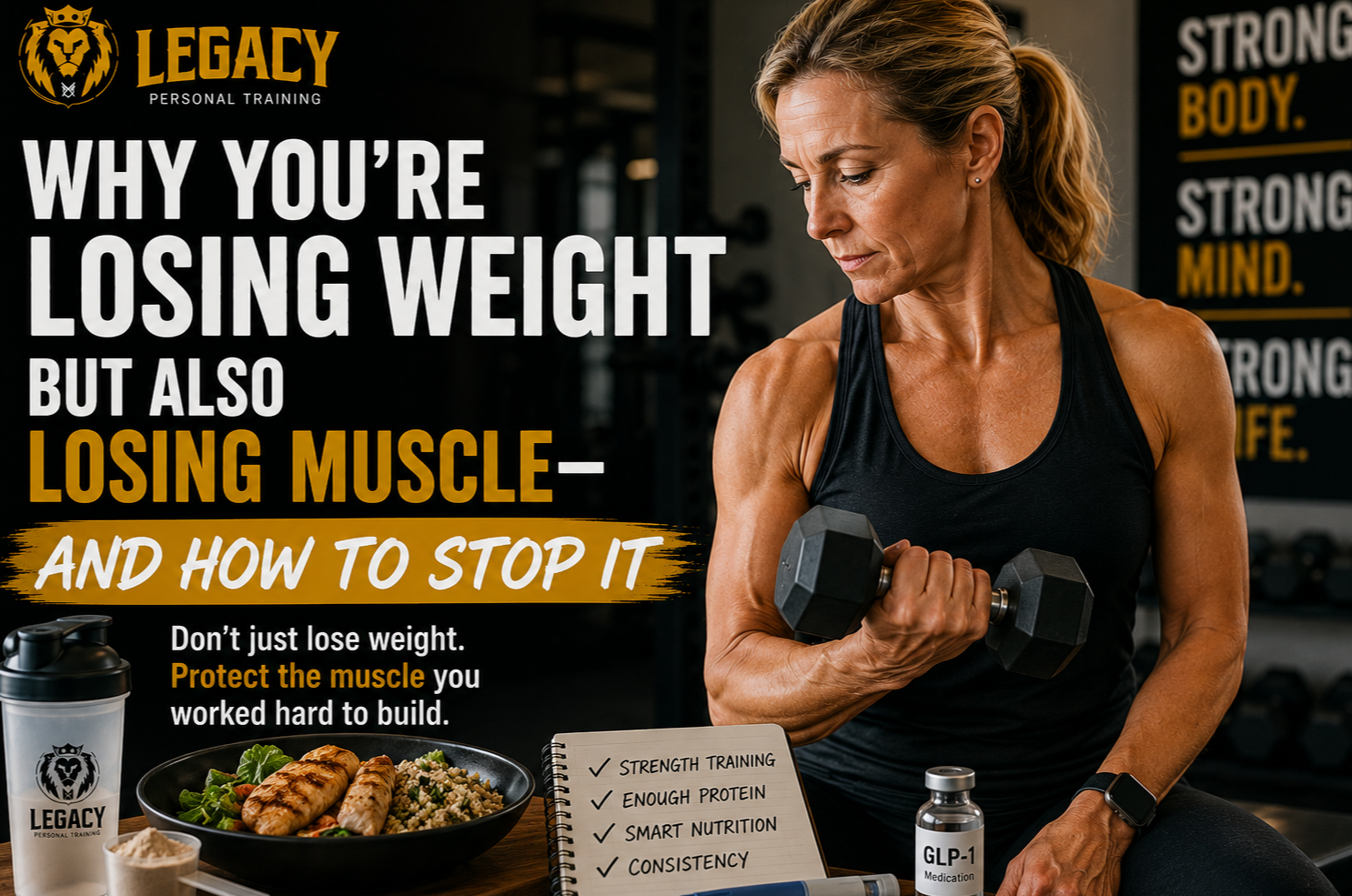
Understanding the Connection Between Weight Loss and Muscle Loss
Embarking on a weight loss journey often conjures images of shedding unwanted fat and unveiling a leaner physique. However, the process is rarely so straightforward. Many individuals are surprised to discover that, alongside fat, they are also losing precious muscle mass. Understanding the relationship between weight loss and muscle loss is crucial for anyone seeking sustainable, healthy results.
When you create a calorie deficit—consuming fewer calories than your body needs—your body must turn to its energy reserves. While the primary target is stored fat, your body may also break down muscle tissue for fuel, especially if the diet is too restrictive or lacks adequate protein. This phenomenon is more pronounced if weight loss occurs rapidly or without a balanced exercise regimen. Muscle is metabolically active tissue, meaning it burns calories even at rest. Losing muscle not only affects strength and appearance but can also slow your metabolism, making further weight loss more challenging and increasing the risk of weight regain.
Why Muscle Loss Happens During Weight Loss
- Insufficient Protein Intake: Without enough dietary protein, the body lacks the building blocks to maintain muscle during calorie restriction.
- Lack of Resistance Training: Cardio alone burns calories but doesn’t provide the necessary stimulus to preserve or build muscle.
- Extreme Calorie Deficits: Severe dieting signals the body to conserve energy, often sacrificing muscle tissue in the process.
Recognizing the interplay between weight loss and muscle loss is the first step toward developing a smarter, more effective approach—one that preserves strength, supports metabolism, and delivers lasting results.
Common Causes of Muscle Loss During Weight Reduction
Losing weight is often seen as a victory in the pursuit of better health, but when the number on the scale drops alongside noticeable muscle loss, it signals a hidden challenge. Understanding the common causes of muscle loss during weight reduction is essential to achieving a leaner, stronger physique without sacrificing valuable muscle mass.
The Caloric Deficit Dilemma
One of the primary culprits is an aggressive caloric deficit. While reducing calories is necessary for fat loss, slashing them too drastically prompts the body to seek alternative energy sources—including muscle tissue. Without sufficient fuel, the body breaks down muscle protein to meet its energy needs, leading to undesirable muscle wasting.
Insufficient Protein Intake
Protein plays a critical role in muscle maintenance. Diets low in high-quality protein deprive muscles of the building blocks they need to repair and grow. When protein consumption drops below required levels, the body cannot preserve lean muscle, especially during periods of caloric restriction.
Lack of Resistance Training
Physical activity choices also matter. Focusing solely on cardio or neglecting resistance training sends a signal to the body that muscle is not a priority, resulting in muscle loss. Resistance exercises, such as weightlifting, are essential for stimulating muscle maintenance and growth when losing weight.
Hormonal Imbalances and Aging
Factors like hormonal fluctuations or natural aging can further accelerate muscle loss during weight reduction. Changes in hormones such as testosterone and growth hormone, or age-related declines in muscle-building capacity, can make it even more challenging to retain muscle mass.
Recognizing these causes is the first step toward protecting your muscles while pursuing your weight loss goals, ensuring results that are both healthy and sustainable.
The Importance of Preserving Muscle While Shedding Pounds
When embarking on a weight loss journey, the primary goal often centers around shedding excess body fat. However, it is crucial to recognize that not all weight loss is beneficial—especially when it comes at the expense of muscle mass. Preserving muscle while losing weight is essential for maintaining a healthy metabolism, supporting overall strength, and ensuring a toned, fit appearance.
Muscle tissue is metabolically active, meaning it burns more calories at rest compared to fat. As a result, retaining muscle accelerates your metabolic rate, making it easier to keep weight off in the long run. Conversely, significant muscle loss can lead to a sluggish metabolism, making future weight management more challenging and increasing the risk of weight regain.
Why Muscle Preservation Matters
- Functional Strength: Muscle supports everyday activities, from lifting groceries to climbing stairs. Loss of muscle can diminish your strength, stamina, and overall quality of life.
- Physical Appearance: A loss of muscle mass can result in a “skinny fat” physique—where you may weigh less, but appear less toned and healthy.
- Long-Term Health: Muscle mass plays a vital role in bone health, balance, and injury prevention, particularly as we age.
Understanding the importance of muscle preservation sets the foundation for smart weight loss strategies. By focusing on approaches that prioritize muscle retention, you not only achieve better results but also pave the way for lasting health and vitality.
Dietary Habits That Support Muscle Retention
Preserving muscle mass while losing weight demands a deliberate approach to nutrition. Many individuals unintentionally sacrifice muscle as they reduce calories, but the right dietary habits can safeguard lean tissue throughout your weight loss journey.
Prioritize Protein Intake
Protein is the cornerstone of muscle retention. When in a calorie deficit, the body often turns to muscle for energy unless sufficient protein is provided. Aim for a daily protein intake of at least 1.6 to 2.2 grams per kilogram of body weight, depending on your activity level and goals. High-quality sources—such as lean meats, eggs, dairy, legumes, and soy—deliver the amino acids necessary for muscle repair and growth.
Balance Macronutrients Wisely
While protein is vital, carbohydrates and healthy fats shouldn’t be neglected. Carbohydrates fuel your workouts and help spare muscle from being broken down for energy. Include whole grains, fruits, and vegetables in your meals. Healthy fats from sources like avocados, nuts, and olive oil support hormone production, which is crucial for muscle maintenance.
Avoid Extreme Caloric Deficits
Rapid, drastic cuts in calorie intake often lead to muscle loss alongside fat. Instead, aim for a moderate deficit—typically 500 calories below your maintenance needs—to encourage steady fat loss while minimizing muscle breakdown.
By adopting these dietary habits, you create an environment where your body prioritizes fat loss but preserves valuable muscle mass, setting the foundation for a healthier, stronger physique.
Lifestyle Strategies to Maintain Muscle Strength During Weight Loss
Successfully shedding pounds should not come at the expense of your hard-earned muscle. Preserving muscle mass while losing weight is crucial for sustaining a healthy metabolism, supporting daily activities, and achieving a toned physique. Implementing mindful lifestyle strategies ensures that weight loss is derived mainly from fat stores, not vital muscle tissue.
Prioritize Protein Intake
Integrating sufficient protein into every meal is a foundational strategy. Dietary protein provides essential amino acids that support muscle repair and growth, especially during calorie deficits. Aim for lean protein sources such as chicken, fish, tofu, legumes, and low-fat dairy to help maintain muscle mass while promoting satiety and aiding fat loss.
Incorporate Resistance Training
While cardio is effective for burning calories, resistance training is vital for preserving muscle strength. Incorporate activities like weightlifting, bodyweight exercises, or resistance bands at least two to three times per week. These workouts stimulate muscle fibers, signaling your body to retain muscle even as you lose weight.
Monitor Caloric Deficit
A moderate calorie deficit is key. Extreme calorie restriction can lead to rapid muscle loss, so focus on gradual, sustainable fat loss. Use a combination of dietary adjustments and increased physical activity to maintain a healthy balance.
- Stay hydrated to support muscle function.
- Ensure quality sleep for optimal muscle recovery.
- Manage stress, as high cortisol levels can accelerate muscle breakdown.
By weaving these strategies into your daily routine, you can achieve your weight loss goals without sacrificing muscle strength, setting the stage for a healthier, more resilient body.
At Legacy Personal Training in Scottsdale, Arizona, we help adults approach body composition with a bigger picture in mind. Through personalized strength training, progress tracking, nutrition support, and our L.I.F.T. approach to Lifestyle Integrated Fitness Training, the goal isn’t simply to make the scale move. It’s to help you become stronger, healthier, and more capable while building habits you can maintain for the long term.
If you’re working hard to lose weight, make sure you’re not unnecessarily losing something incredibly valuable along with it.
Lose the fat. Protect the muscle. Build strength for the years ahead.